Ask a tradie how business is. Two words, like a verdict: flat out.
It sounds like proof. It is a weather report. Busy is weather. A business is climate.
The test of a business is not whether the phone rings. It is who decides what happens next: which jobs, what price, what next winter looks like. If the answer is whatever comes in, you do not run a pipeline. You stand under a downpipe.
Flat out on what?
Word of mouth fills the calendar with whatever walks in. Small jobs. Wrong suburbs. The price shopper, referred by the last one. None of it chosen.
Ten years of yes looks like success from the outside. From the inside it is a queue. A calendar you did not choose is someone else's calendar. You just hold the tools.
The jar
The Greeks had a punishment for busy: carrying water in sieves to a jar that never fills. Not idleness. Effort, and nothing kept.
Word of mouth runs the same way. Today's full book is last autumn's work arriving late. The lag hides the leak. A builder goes quiet. A suburb turns over. Nothing shows until the month it all shows at once.
A pipeline like that does not taper. It stops. You cannot build one in the month you need it.
Scarcity without nerve
When demand outruns supply, the price rises. Every tradie knows the rule from the buy side. Copper went up. Timber went up. The quote followed.
Almost none apply it to their own book. The pipeline is a rumour, and nobody leans on a rumour.
So the real cost of flat out is not the jobs you take. It is the prices you never raise. Scarcity without nerve is just overtime.
The ladder
Truly past capacity? Lift the price, or hire. Hire, and the bottleneck moves straight back to leads: two utes eat twice the work. Every trade business grows this way, one constraint at a time.
Mind the first rung. The day you put a bloke on, leads stop being marketing. They become payroll.
Do you need a website if the Google profile is already working?
I have said it before: fix the profile first. I stand by it. The profile puts you in the map box, and the map box is where the urgent searches land.
But the profile is one listing, in one box, for one customer: the one who needs you now. Everyone else moves past unseen. The couple pricing a spring repaint on a Tuesday night. The long questions about cost and cracks and suburbs. The AI answering at midnight, with nothing of yours to quote. A profile has no pages. Nothing to read, nothing to cite, nowhere for an ad to land.
And when a careful buyer does find you, the profile offers one instrument: a phone number. Nobody rings from the couch. A website offers a form. A form filled at 9:44 and answered by 9:46 is a job booked tonight. The other quotes arrive Thursday.
The profile is yours, but it stands on Google's ground. Suspensions happen, and there is no counter to walk up to. The website is the only part you hold the deed to.
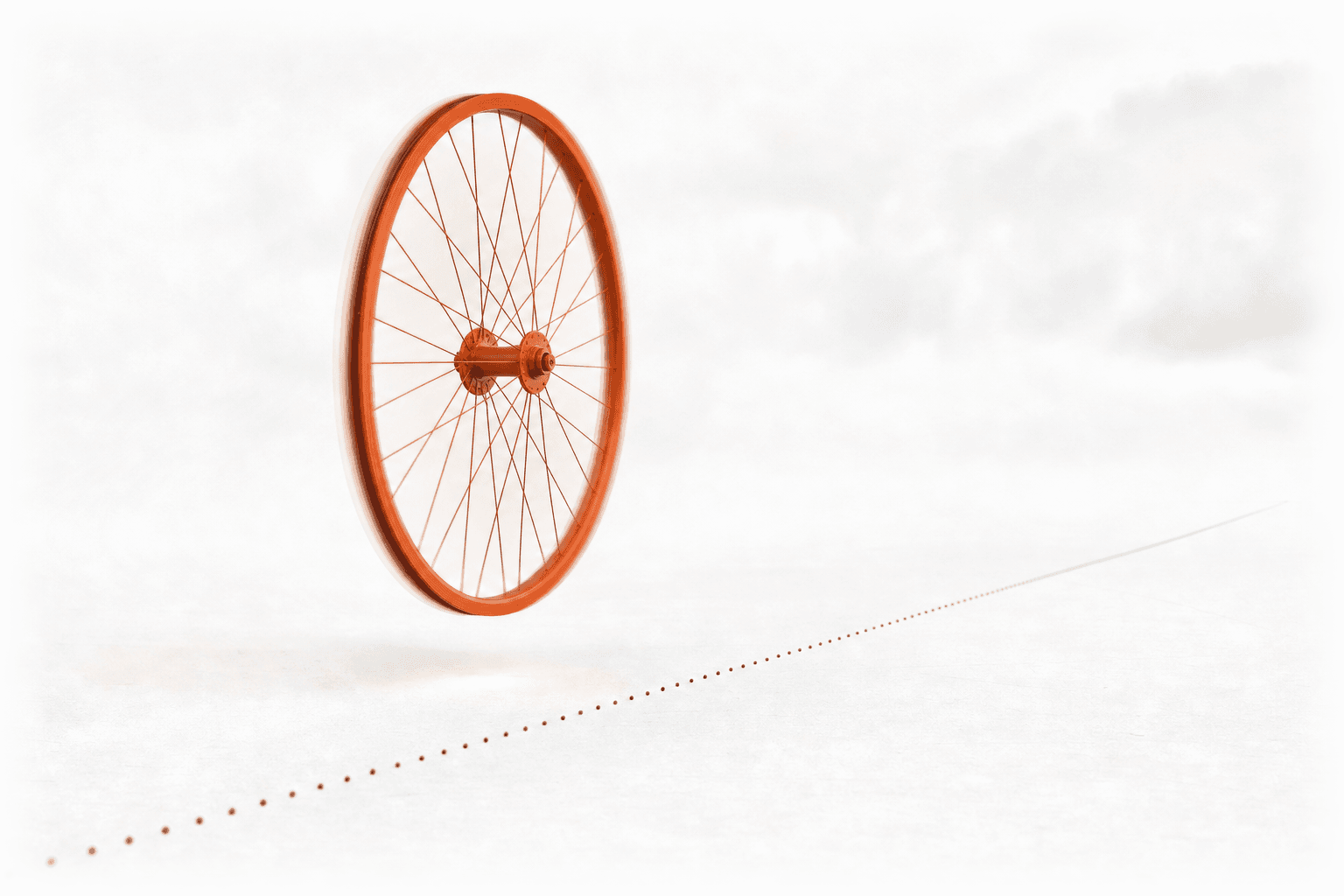
Reviews are the pin that holds the wheel on. The website is the axle. Everything mounts there, and Google reads the site to decide how much to trust the listing. The profile doing all the work climbs higher with a site behind it. That is the flywheel. The website is where it bolts together.
The verdict
Busy is not a business. Busy is a queue in good weather. A business is choosing the jobs, setting the price, and knowing where winter's work comes from.
If you are flat out, good. That is the month to build. Channels get cut in the wet.
I build the machine for trades, one set of hands: site, profile, reviews, the two-minute reply. The audit is free. The reply is fast. Both are demonstrations.